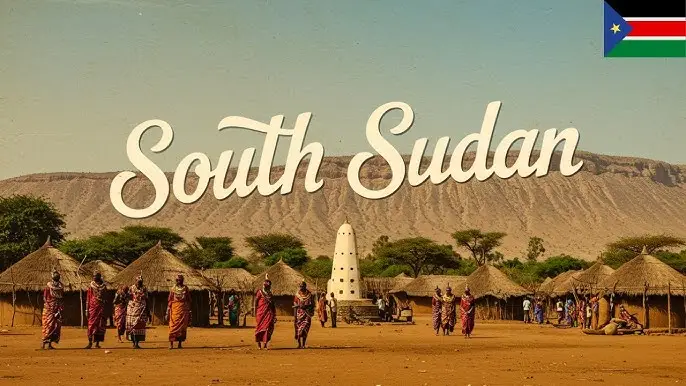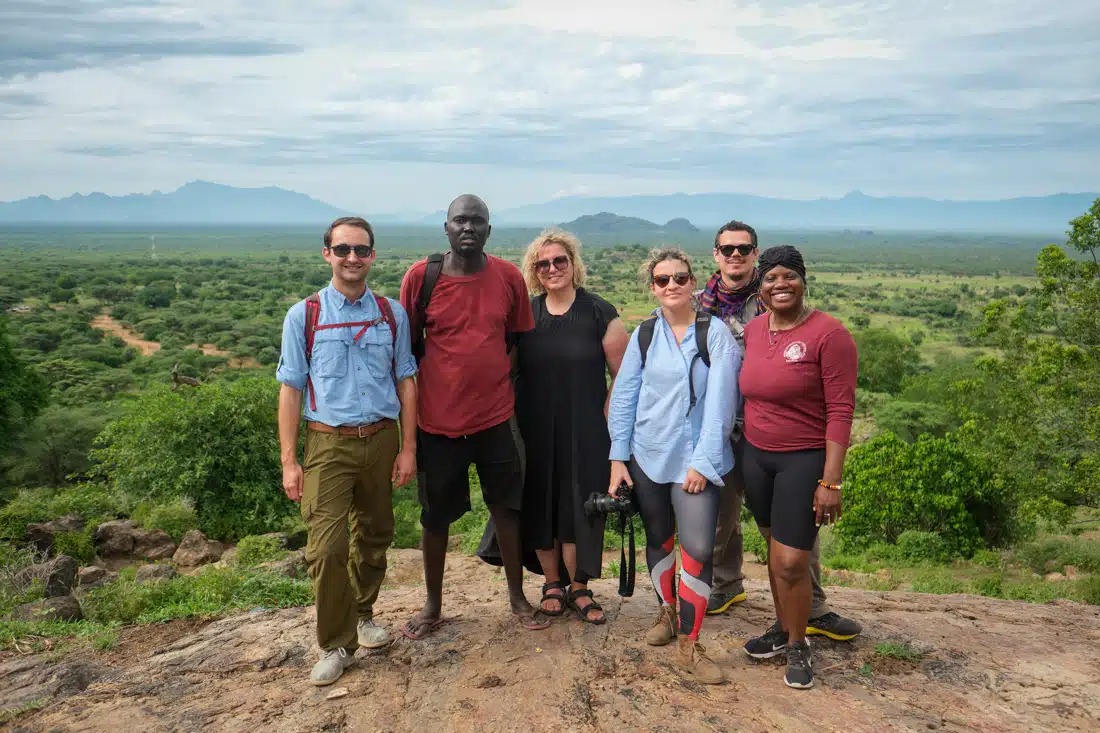
Your curiosity about South Sudan warms my heart. I’m a primary school teacher in Juba, and I also teach at a rural school about 12 km south of the city. I’d love to share what life feels like—through heat waves, classroom chatter, and late Nile sunsets. I’m also happy to show photos from local markets, our school, and village fields.
1. Juba: Pulse of a Young Nation
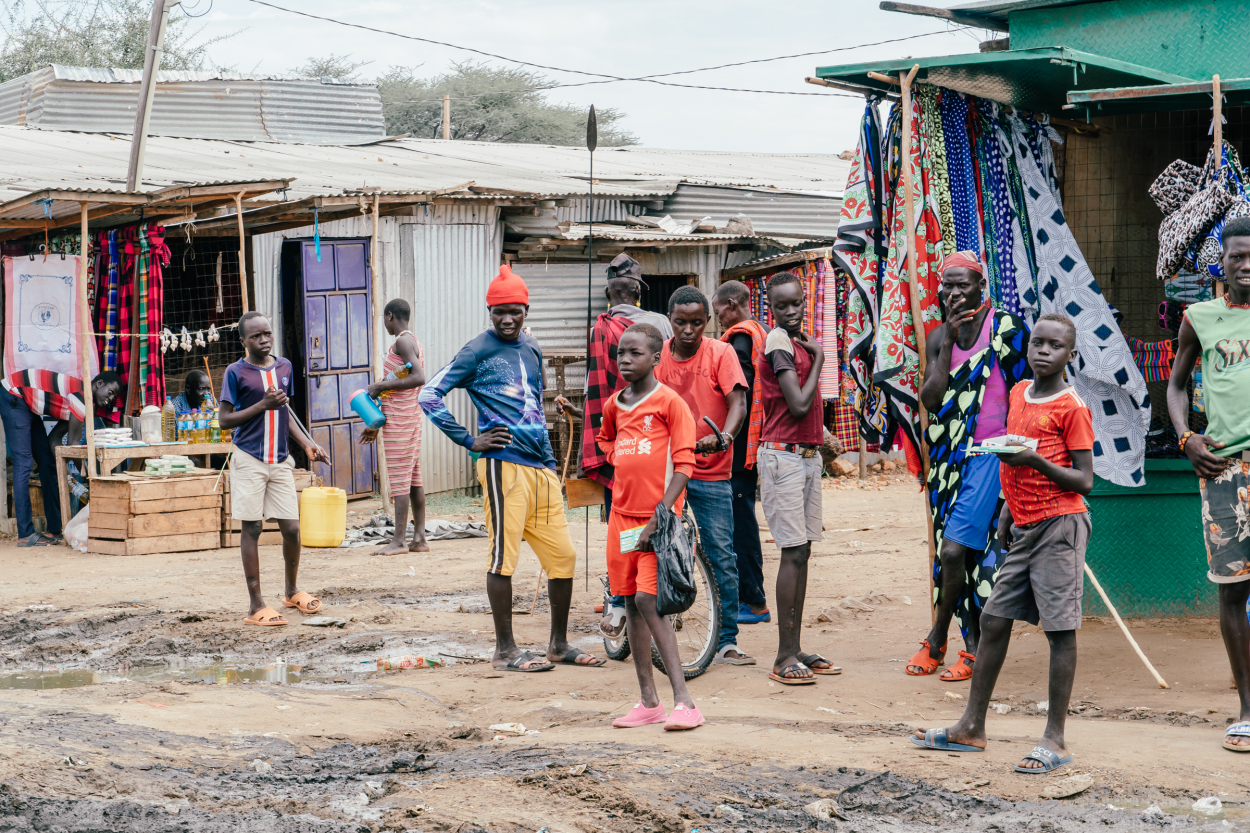
Once a modest riverside town, Juba has grown rapidly to serve as South Sudan’s capital since independence in 2011. Markets like Konyo Konyo buzz with vendors selling kisra, goat stew, mangoes, and beaded crafts. Colonial-era buildings stand beside new asphalt roads—it’s urban growth in motion explorecity.life.
Every morning, I walk past ginger-spiced tea stalls where neighbors greet each other in Juba Arabic, the everyday lingua franca, even though English is officially taught Wikipedia. Children zip along behind motorbike taxis, and the Nile’s breeze offers a soft welcome on most days.
2. Meeting Basic Needs: Food, Water, and the Cost of Everything
🍽️ Food & Prices
In a typical week, families rely on staples like kisra (flatbread), asida, groundnut stew, goat meat, and seasonal fruits. Life in Juba means access to small shops and markets, but rising prices are constant companions. Inflation in early 2025 hit transport, food, and communication hardest—inflation peaked above 9% in January and eased to around 2% by May, yet prices remain high jubaecho.comonecitizendaily.com.
💧 Water Supply
Despite the Nile being nearby, only about half the population has access to an improved water source, which means many homes still rely on handpumps, bottled water, or jerry‑can deliveries Wikipedia.
3. Internet & Tech: From Spotty Mobile to Starlink Speeds
📱 Mobile Coverage
Companies like MTN and Zain operate in Juba, but mobile internet is limited in range and speed—many locals still experience 2G or 3G, and prices are high considering average income levels Developing TelecomsWikipedia.
🚀 Starlink Satellite Broadband
In mid‑2024, South Sudan’s National Communications Authority (NCA) approved Starlink services, offering plans from about USD 38/month (Standard) to USD 5,005/month (Priority high‑performance). The starter equipment kit costs nearly USD 297 TechAfrica News+9We are Tech+9REGTECH AFRICA+9.
Plans include Standard, Priority, Mobile, and Mobile Priority, and users pay in South Sudanese pounds equivalent to USD rates Developing Telecoms+6TechAfrica News+6Tech Talk Africa Hub+6. Starlink is intended to bring broadband to underserved rural areas, with legally licensed local distributors and warnings against unlicensed imports Connecting Africa+3TechAfrica News+3We are Tech+3.
Since last year I subscribed via an approved reseller in Juba. Now, internet speeds range between 30–100 Mbps, letting me upload class materials, video‑call teachers, and at times stream lessons to rural classrooms—an absolute game‑changer RedditSSDCrown.
4. Education in South Sudan: Dreams Amid Struggles
📚 The School Environment
There are nearly 6,000 schools across the country, but only around 40% of children aged 6–17 are enrolled—the rest face barriers including infrastructure, displacement, and early marriage jubaecho.comonecitizendaily.com.
The teacher shortage is critical: about 7,500 primary school teachers are unqualified, and classrooms can have 40–60 students, sometimes as high as 129 in some reports Wikipedia.
🏫 My Teaching Life
In central Juba, classrooms are crowded with minimal materials—chalkboards, reused textbooks, no electricity in many schools. We use English for lessons but often switch to Juba Arabic when explaining tricky subjects onecitizendaily.comWikipedia.
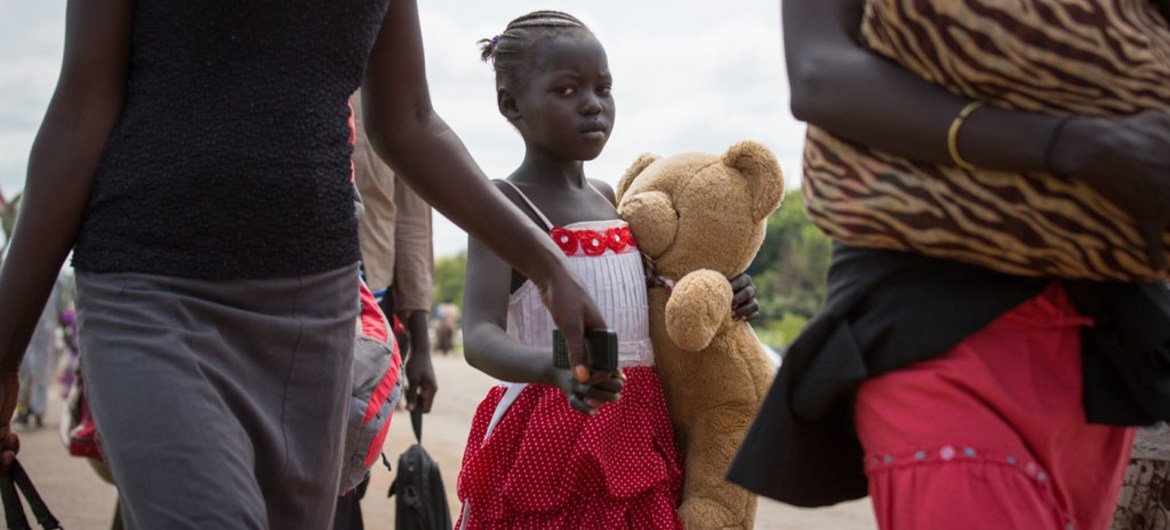
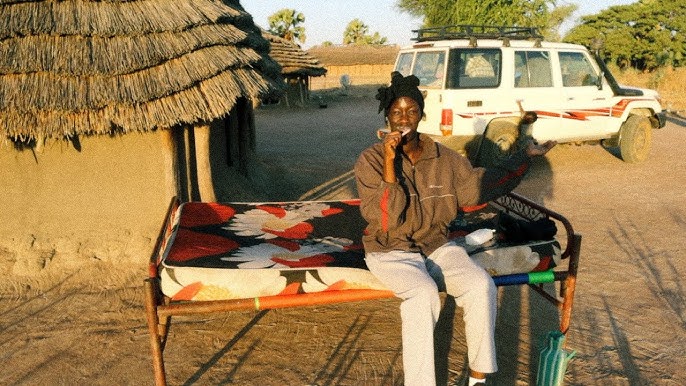
At the rural school, children walk in from nearby villages, and parents sometimes volunteer via community farming traditions (Mole or Lukonin) to supply sorghum or maize Wikipedia. Seeing their pride—one tiny girl offering a basket of beans—reminds me why education matters.
☀️ Heat Wave Impact
In early 2025, Juba endured a severe heatwave—schools closed for two weeks as many students collapsed in class; average daily temperature topped 42 °C Redditapnews.com. Lessons moved to shaded areas or later hours; water breaks and handheld fans became normal.
5. Culture & Festivals: The Heartbeat of Community
South Sudan is made of over 60 ethnic groups, each with its own traditions, yet Juba unites them through markets, festivals, and shared languages Wikipedia+2Wikipedia+2explorecity.life+2.
🎉 The Pojulu Cultural Festival
In May 2025, Juba hosted the second annual Pojulu Cultural Festival, themed “Friendship among communities unites South Sudanese”. It was vibrant: ochre body paint, cattle dances, traditional music, storytelling—and a strong message of unity amidst political division Wikipedia+1Wikipedia+1. I attended and captured photos of dancing, shared foods, and community rituals celebrating peace.
Pictures from the festival are available—villagers clad in colorful beads, drumming eruptions, and symbolic performances under open skies.
6. Security, Conflict, and Community Resilience
⚠️ Conflict and Instability
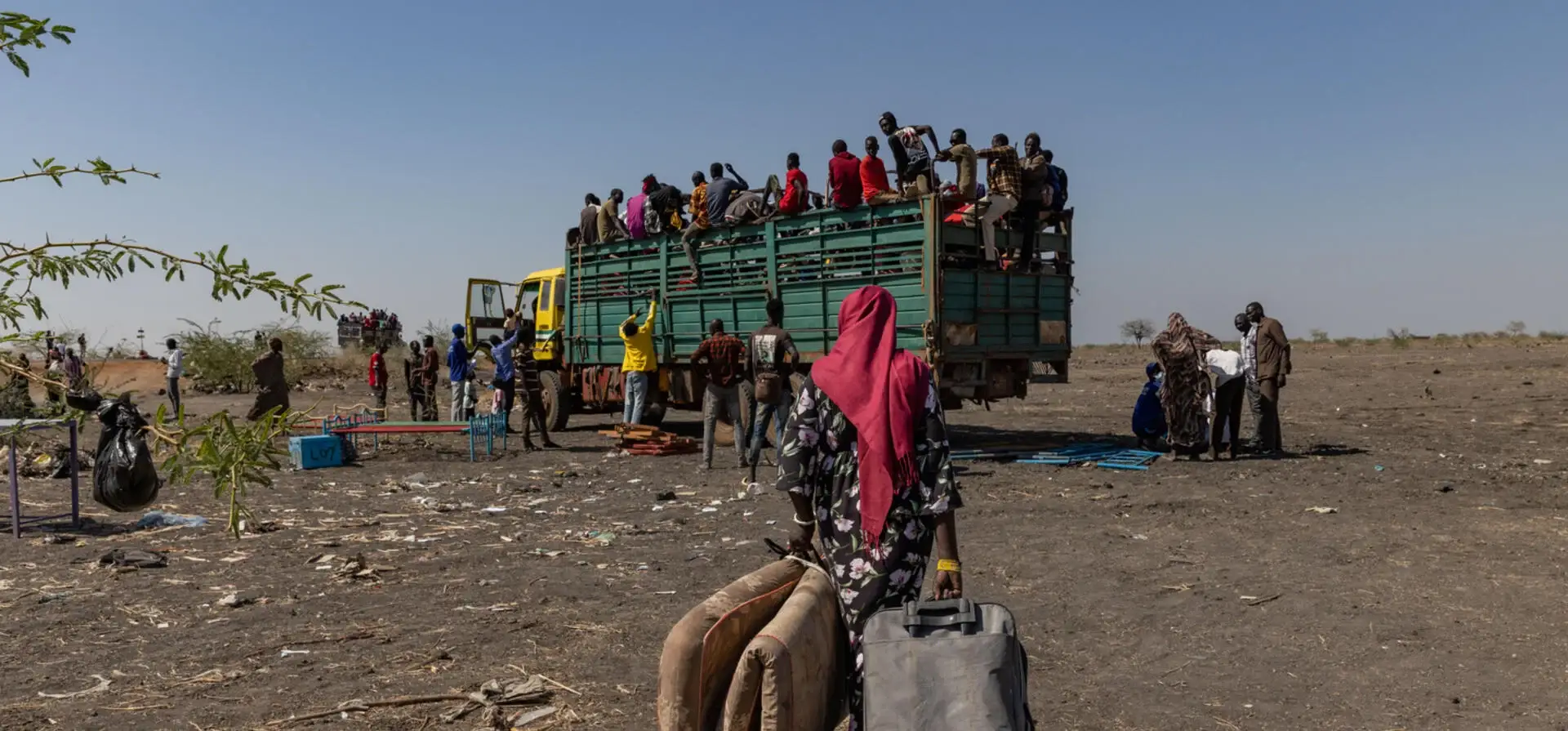
While life in Juba continues in a fragile calm, elsewhere the country wrestles with violence. On March 24, 2025, airstrikes near Juba forced evacuations and displaced thousands theguardian.com. Clashes intensified in Upper Nile and Nuer militia actions followed, raising fears of renewed civil war wsj.com+1theguardian.com+1.
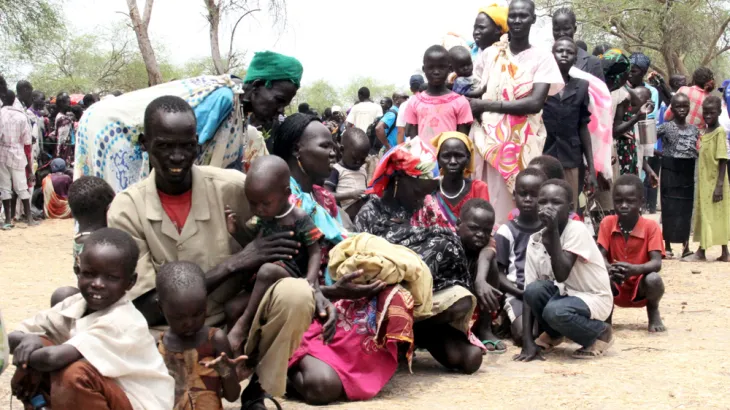
Schools stay open here for now, but humanitarian strain grows. Camps like those near Juba overflow, and resources—food, water, shelter—are critically stretched theguardian.comthetimes.co.uk.
🤝 Hope Through Community
In Kajo Keji, refugees are returning home in droves, reviving their villages through farming, rebuilding markets, and enrolling children in schools thetimes.co.uk. Others depend on NGOs like Fogbow—which delivers food fast to remote zones—though some worry about aid entwined with conflict politics washingtonpost.com.
In our neighborhoods, educators, church groups, and parents form a web of support—sharing food, teaching lessons under mango trees, and keeping schools alive.
7. Everyday Moments: My Juba Life
I want to share everyday slices of life that textbooks can’t capture:
-
Blistering mornings: By 10 AM, heat pushes 40 °C+. Children carry metal water jugs; teachers pause lessons, turning to shaded corners with handheld fans.
-
Starlink miracles: Before its arrival, lesson plans took hours to upload—but now I can stream a science video to rural kids on the other side of Juba.
-
Festival laughter: Kids swirl in colorful skirts during the Pojulu dance, their voices echoing across communal fields.
-
Market smells and chatter: Lady selling simsim oil, goat meat simmering in the pot, and a neighbor greeting every passerby in Juba Arabic.
-
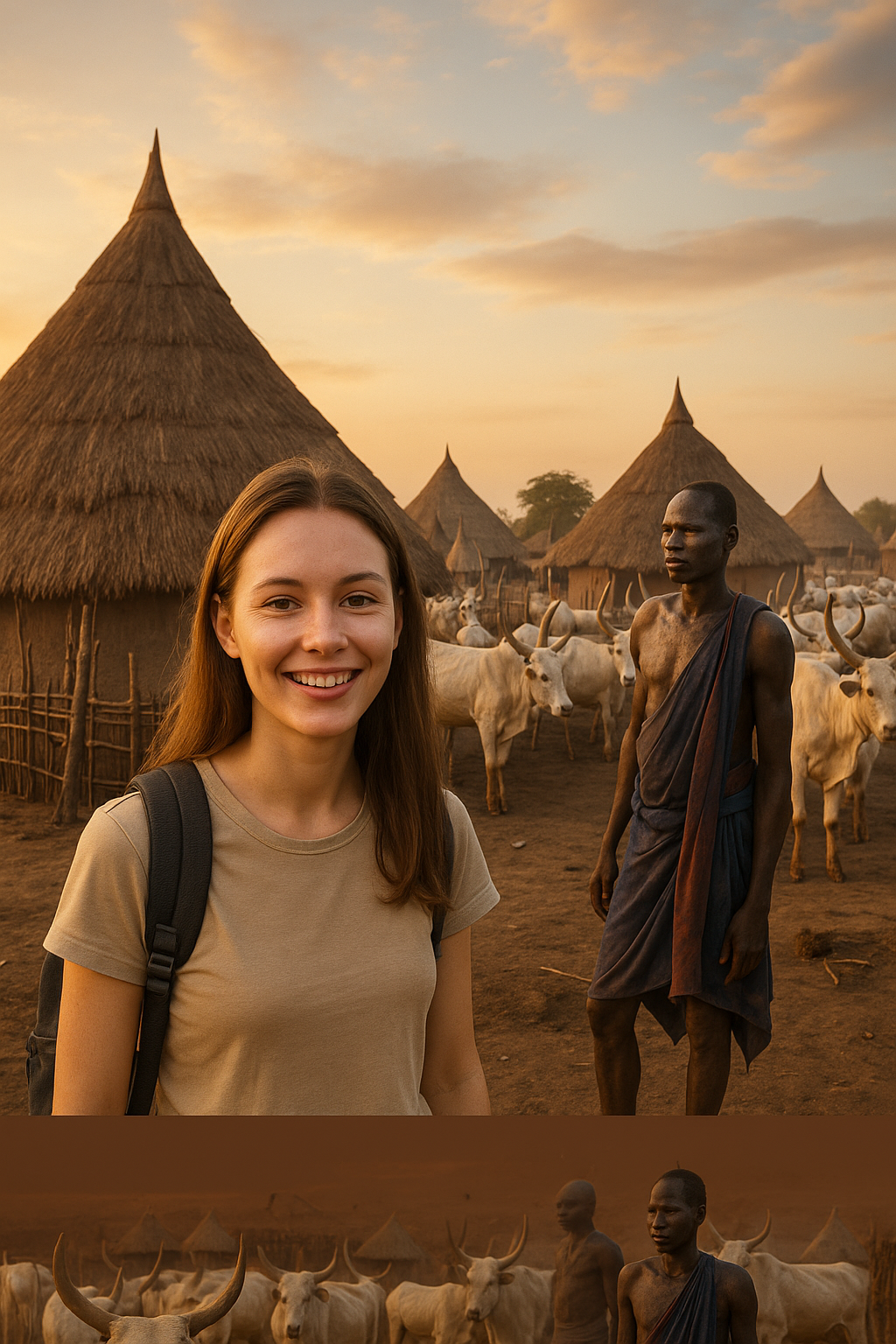
Greener rural mornings: Walking to school past cassava, groundnut and sorghum fields, hearing rooster calls, and feeling children skip beside me with morning bread.
8. Travel Advice: Visiting South Sudan
📅 Best Time to Visit
Late November to February offers cooler weather—temperatures drop below 30 °C, making travel more comfortable.
🛡️ Staying Safe
Stick to Juba and work with trusted local guides or NGOs. The Upper Nile region requires careful security planning.
🧳 Essentials to Pack
Electrolyte powders, water purification tablets, sun-protective clothing, a wide-brimmed hat, modest attire, and universal power adapters.
👁️ Cultural Respect
Always ask before taking photos. Dress modestly in towns and rural areas. Learn a few phrases in Juba Arabic—it’s appreciated and builds rapport.
9. Why South Sudan Matters
Often, South Sudan makes headlines for conflict—but beneath that is humanity that you can only see up close:
-
Teachers walking miles teaching under the sun
-
Children dreaming of becoming doctors in their home country
-
Communities farming together, sharing laughter and food in solidarity
-
Cultural festivals that act as bridges across ethnic divides
10. Photos & Project Help
I’d be delighted to share photos from the rural school, local markets, festival scenes, and the Nile at sunset. Just let me know what you’d like for your school project—whether it’s photo captions, quotes from students, or stories behind classroom doors.
South Sudan is a land of both challenge and hope. From soaring inflation to satellite internet, from heatwave school crushes to lively Pojulu dancing—this place is full of stories that deserve to be told. I hope my share helps make your project vivid and memorable. And if you ever visit, I’d be honored to show you Juba in person. 🇸🇸