A Novaturient Odyssey into Africa’s Untamed Heart
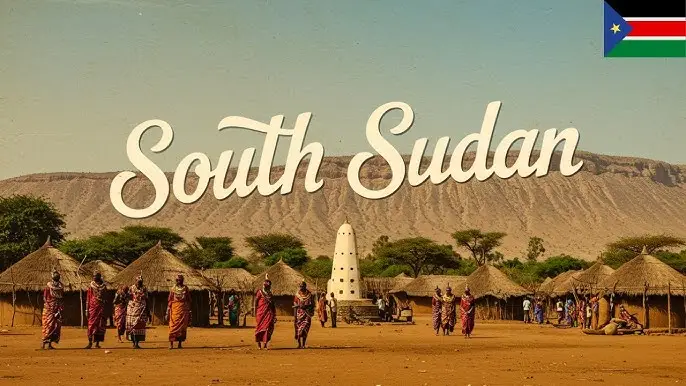
There is a word in German — fernweh — that describes the ache for distant places. It is a yearning not just for travel, but for the unknown. For the novaturient traveler, who seeks journeys that change them at the core, South Sudan is not merely a dot on the map — it is the pulse of Africa’s raw and unfiltered wilderness.
Here, the land still feels ancient. The skies seem endless. Rivers run with the same patience they had before borders existed. And in the hush between a tribal drumbeat and the trumpeting of an elephant, you might just hear the sound of time itself.
This is not an easy trip. South Sudan demands effort, humility, and respect. But for those who come with open eyes and an open heart, it offers experiences found nowhere else on Earth — from the world’s greatest mammal migration to cultures that preserve traditions as old as the Nile.
The Journey In — From the UK to Juba
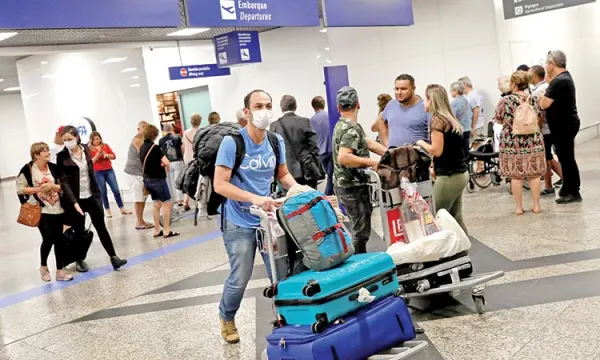
Your adventure begins far from Juba’s warm equatorial air — perhaps in Newcastle, Leeds Bradford, Edinburgh, or Teesside. From there, you will almost certainly fly via London, Istanbul, Addis Ababa, or Nairobi, connecting to a final leg that descends into the capital’s modest but bustling Juba International Airport (JUB).
Expect the journey to be multi-legged, with long layovers that might give you a chance to explore a connecting city — perhaps a Turkish breakfast in Istanbul or coffee in Nairobi’s leafy Karen district.
Visa Requirements:
-
Almost all visitors require a visa in advance.
-
Applications often need an invitation letter or local sponsor — tour operators can help arrange this.
-
Processing times vary; applying at least six weeks before departure is wise.
Your first encounter with South Sudanese bureaucracy — measured, personal, and rarely rushed — will test your patience, but it is part of the rhythm of the journey. In South Sudan, time moves differently.
Juba — Capital of Contrasts
Juba is where South Sudan’s modern story begins. It is at once dusty and vibrant, chaotic yet welcoming.
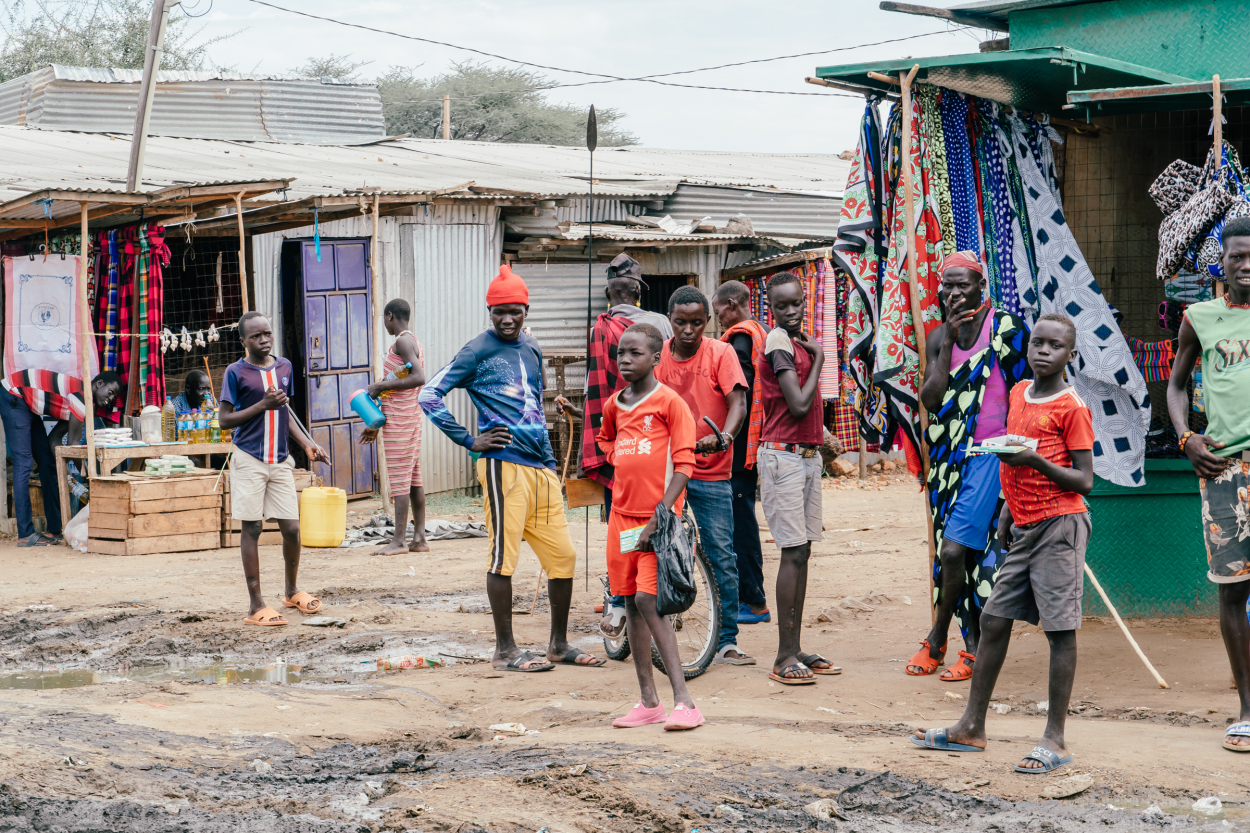
The Markets are an explosion of color: stalls draped in bright kangas, baskets piled high with mangoes, and rows of hand-carved stools and spears. The air smells of roasted groundnuts and sweet tea.
The White Nile snakes gently past the city. At dusk, locals gather along its banks as fishing boats slip by and hippos emerge in the distance. A boat ride here — slow, unhurried — is a baptism into South Sudan’s pace.
Cultural Etiquette:
-
Modesty is appreciated. Long skirts or trousers are best for women.
-
Always ask before taking photographs of people or sensitive sites.
-
A warm greeting — a handshake and eye contact — opens doors.
Beyond Juba — Six Destinations for the Soul
1. Rumbek (Lakes State)
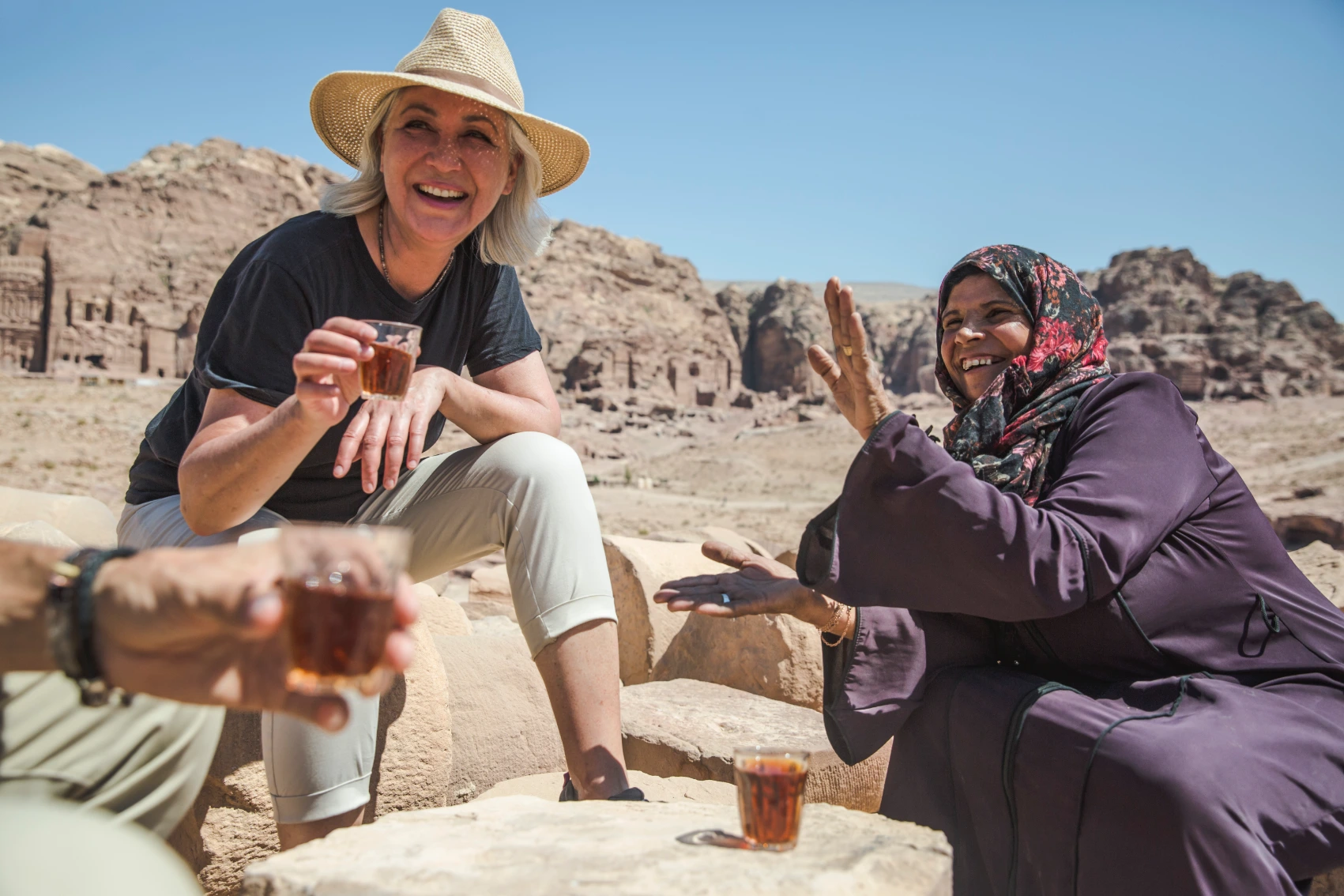
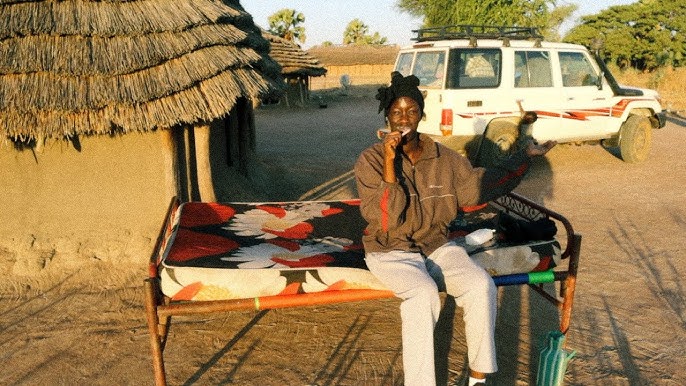
The air is softer here, the horizon wide. Rumbek is not a tourist hub; it is a living community. You might visit Abukloi School, where chalk dust mixes with laughter, and lessons are taught under shade trees when classrooms overflow. The generosity of strangers here is humbling — they will offer you tea, stories, and sometimes a place to sit just to talk.
2. Bor & The White Nile
Here, the Nile is broader, slower, and seems older. On a boat journey, the sun turns the water to molten gold. Birds wheel overhead — African fish eagles, kingfishers, and flocks of white egrets trailing the cattle herds grazing nearby.
3. Nimule National Park
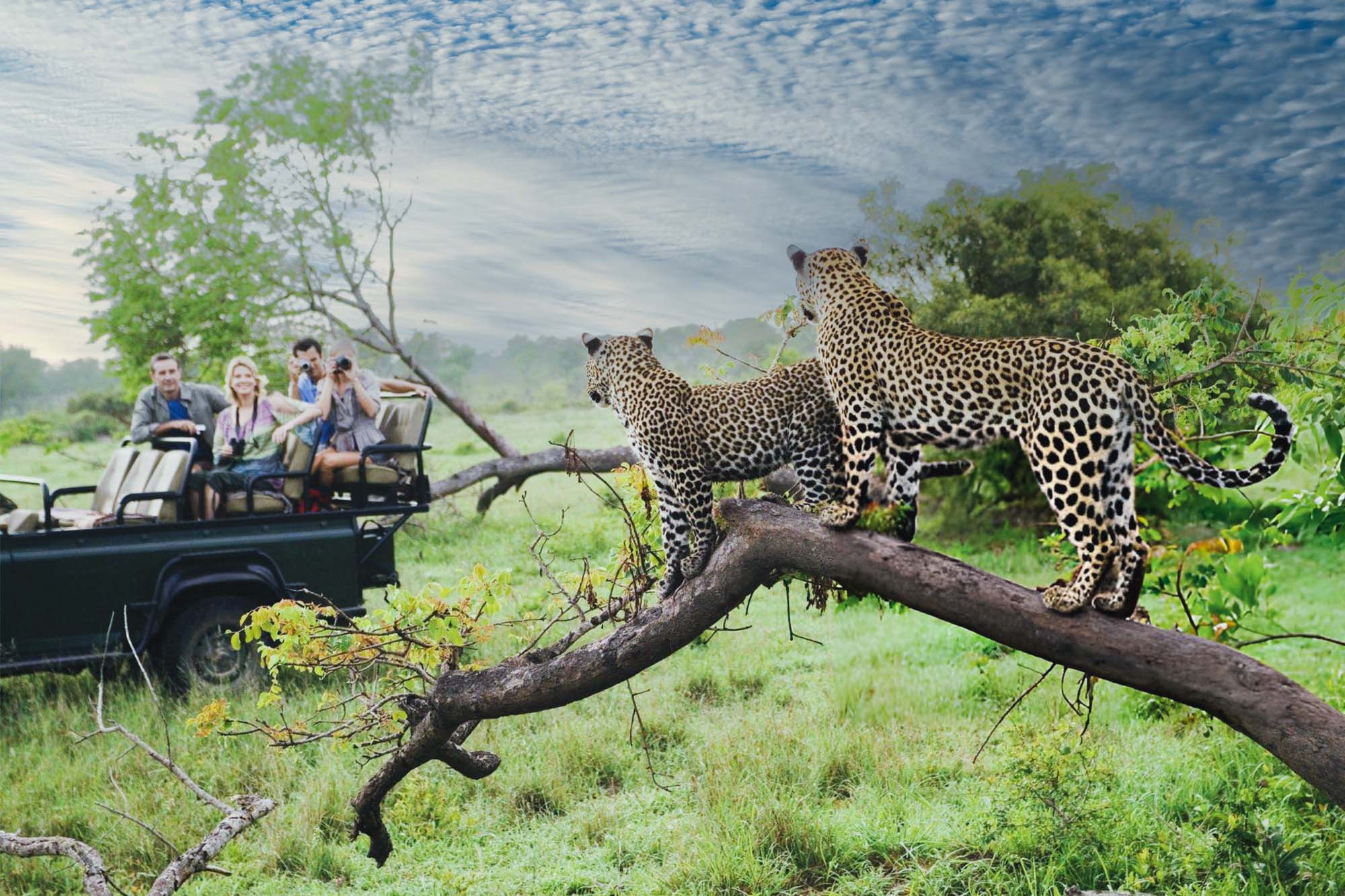
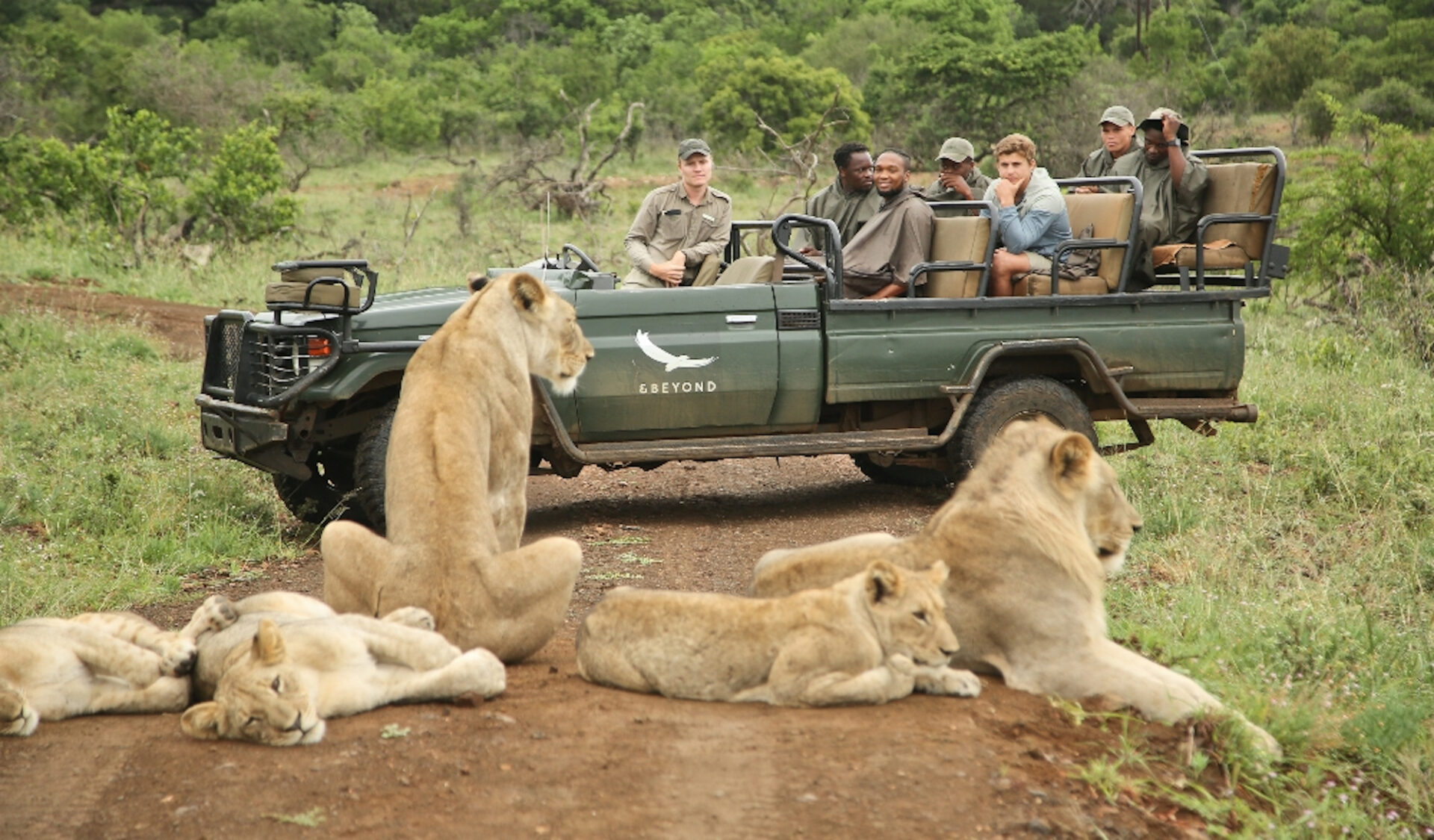
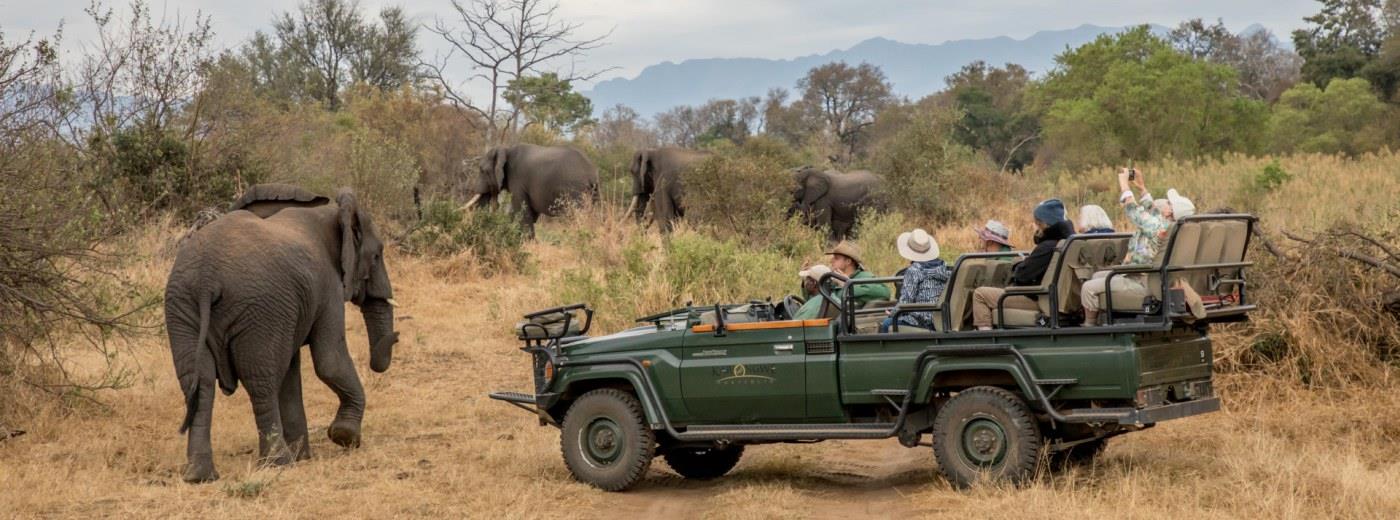
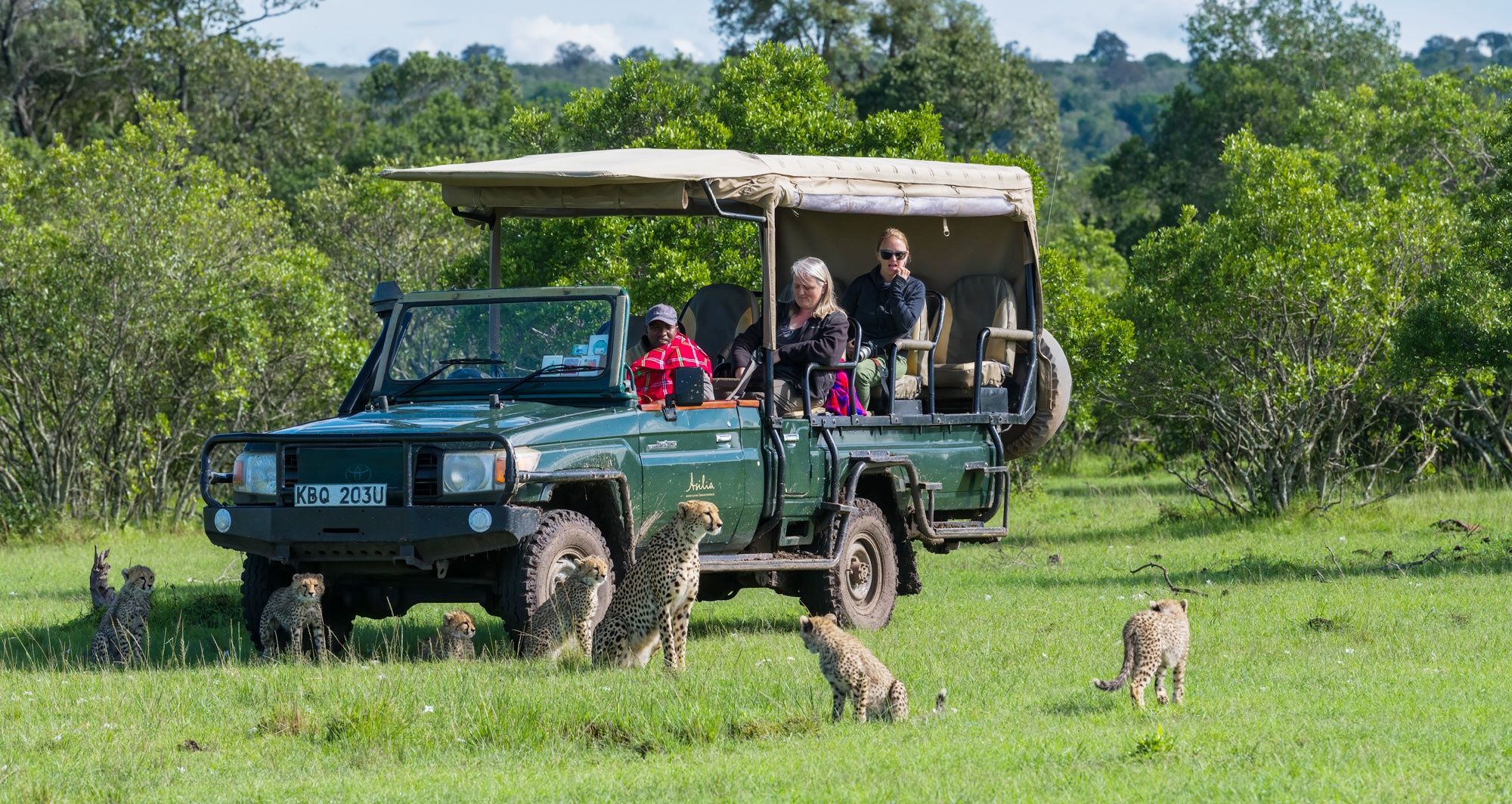
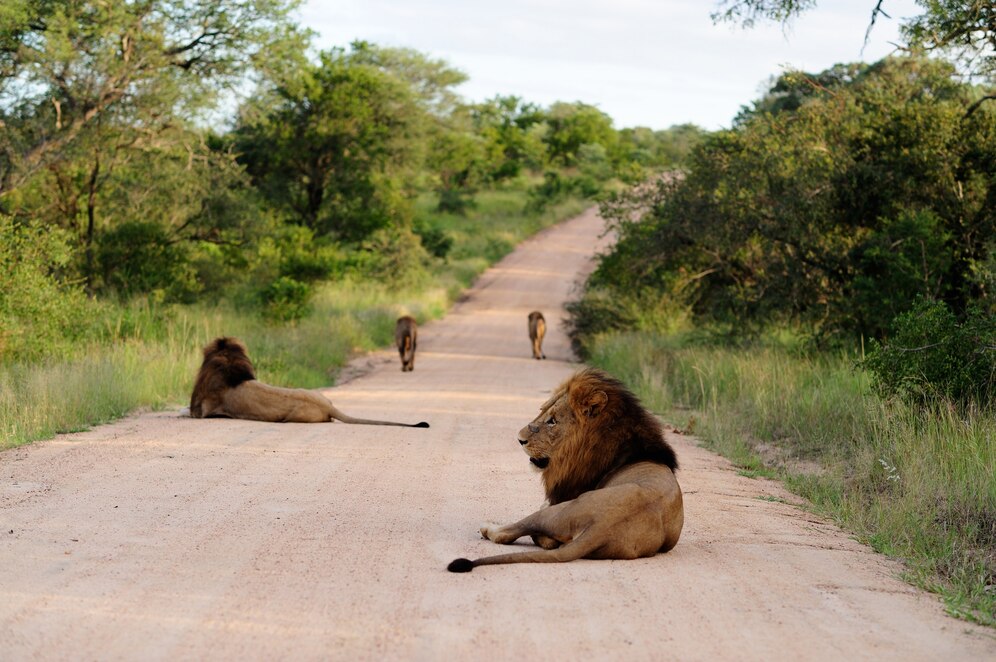
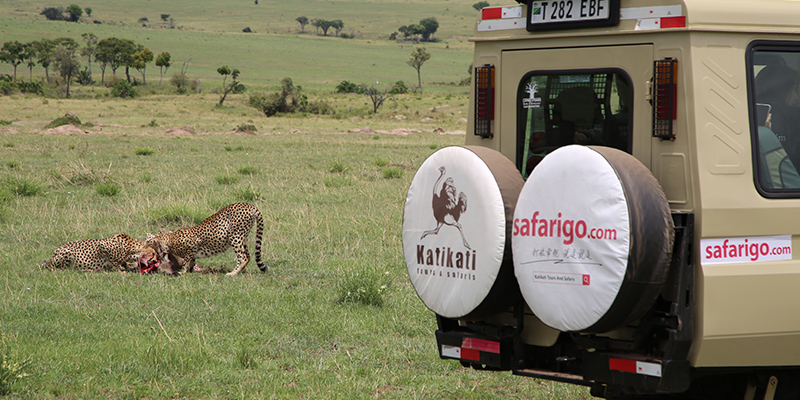
Straddling the border with Uganda, Nimule offers a safari without the tourist convoys of Kenya or Tanzania. You may see elephants browsing riverine forests, hippos grunting in the shallows, and crocodiles sunning themselves on sandbanks.
4. The Boma–Badingilo Antelope Migration
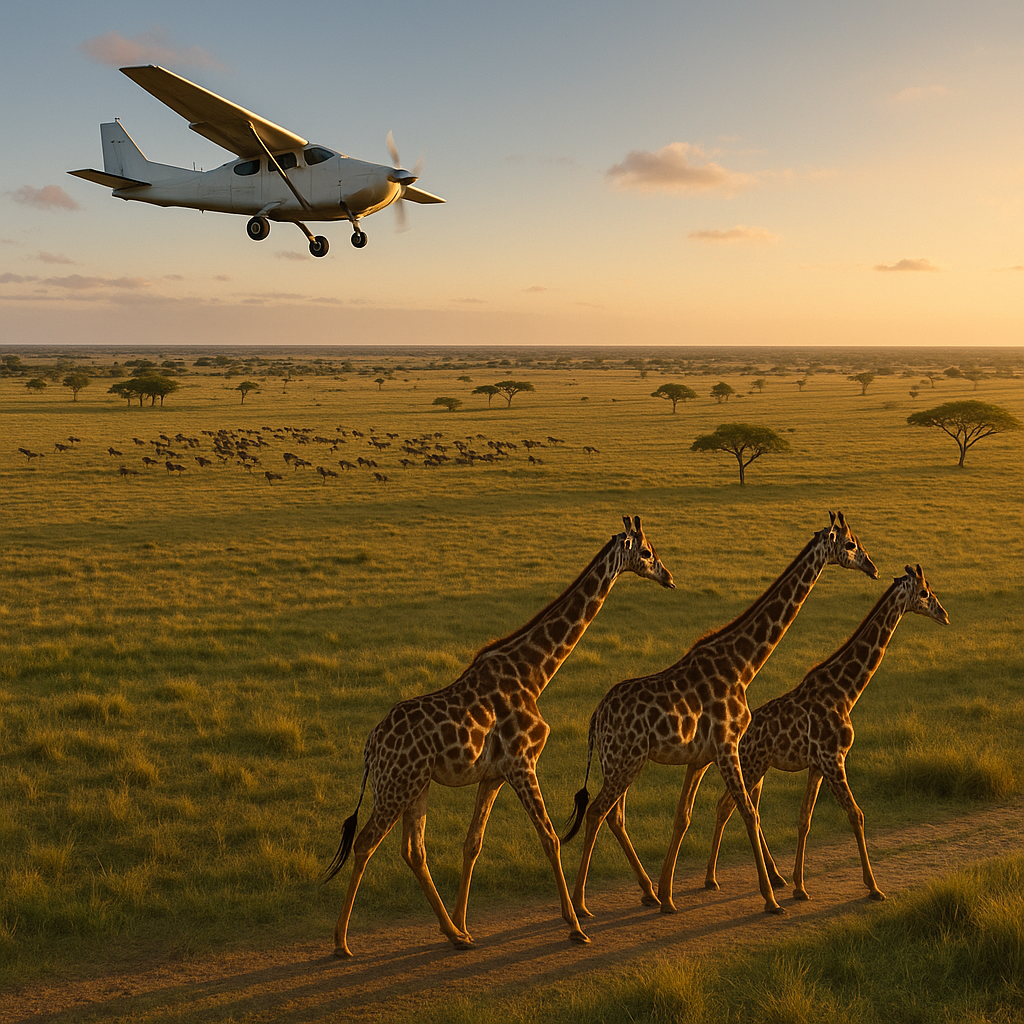
This is South Sudan’s crown jewel: six million white-eared kob, tiang, Mongalla gazelle, and bohor reedbuck moving across a sweep of land so vast it swallows the horizon. Few outsiders have ever witnessed it. It is, by sheer numbers, the largest land mammal migration on Earth — more than double the size of the Serengeti’s.
5. Kapoeta & Toposa Culture
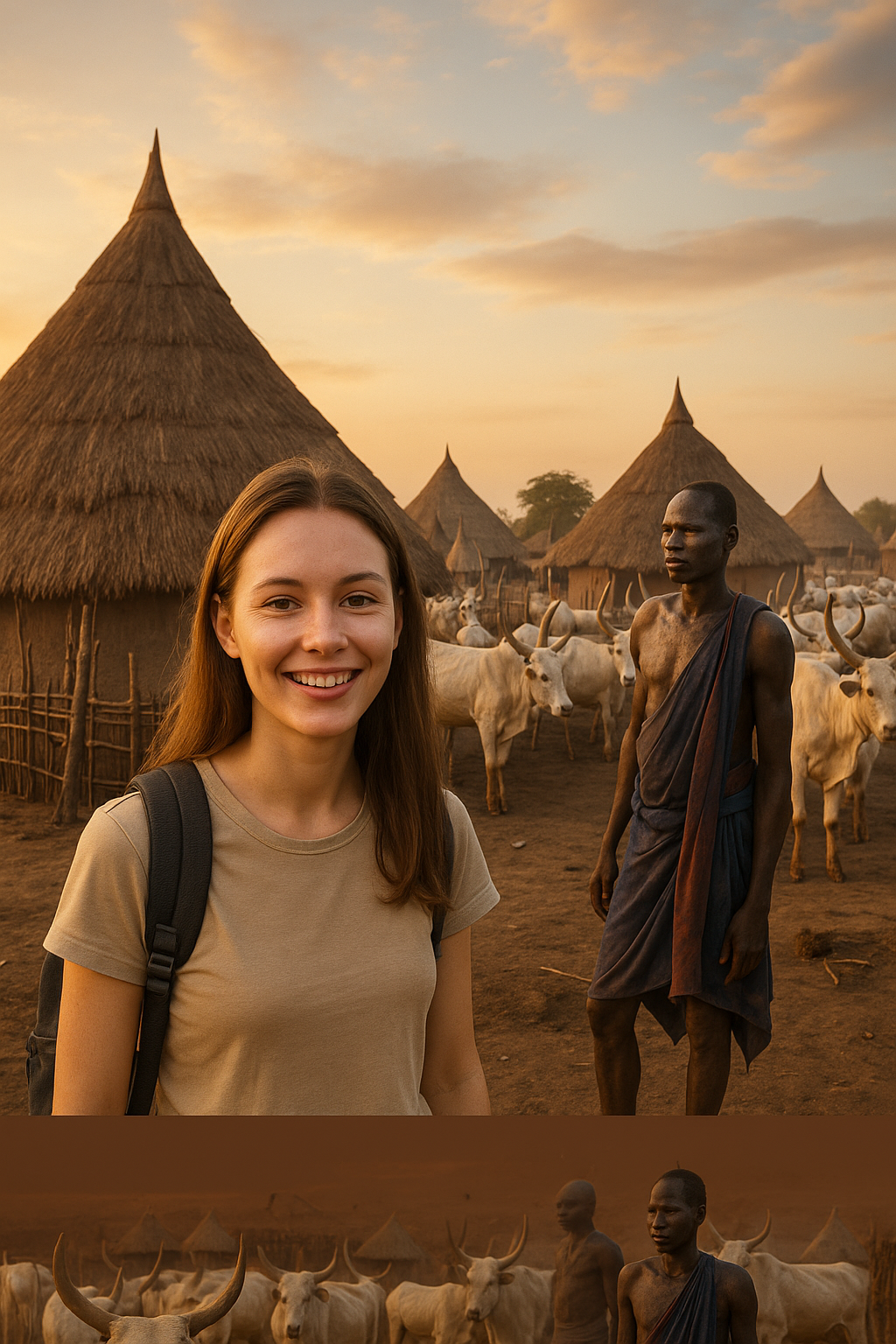
Eastern Equatoria is home to the Toposa — a proud, pastoral people whose beadwork is a language of color. Women wear layers of beads around their necks, each telling of family, status, and seasons past. Spend a day here, and you’ll leave with a deeper understanding of resilience.
6. Wau & Keliko Traditions
In the west, music is the heartbeat of the Keliko people. Their harps, flutes, and drums weave songs that honor ancestors, mark harvests, and carry the stories of generations.
New Horizons — Places Few Guidebooks Mention
-
Terekeka – A fishing town where the Nile feeds life into every street.
-
Yei – Known as “the small London” in the past, it is a crossroads of cultures.
-
Kajo-Keji – Rolling green hills near the Ugandan border, rich in farming traditions.
These are not packaged-tour stops — they are real, living places where you are a guest, not a consumer.
Festivals and Traditions
-
Pojulu Cultural Festival – Held in Juba since 2024, it is a kaleidoscope of dance, music, and storytelling.
-
Ghost Marriages – Practiced among Dinka, Nuer, and Atuot peoples, this tradition ensures lineage continues even if a groom dies before marriage.
-
Wrestling Matches – A social and sporting highlight in rural communities.
Travel Practicalities
Best Time to Visit:
-
Dry Season (Nov–Apr): Roads are more reliable, wildlife gathers near water, and skies are clear.
-
Wet Season (May–Oct): Travel becomes challenging; some areas may be inaccessible.
Transport:
-
Domestic flights connect major towns.
-
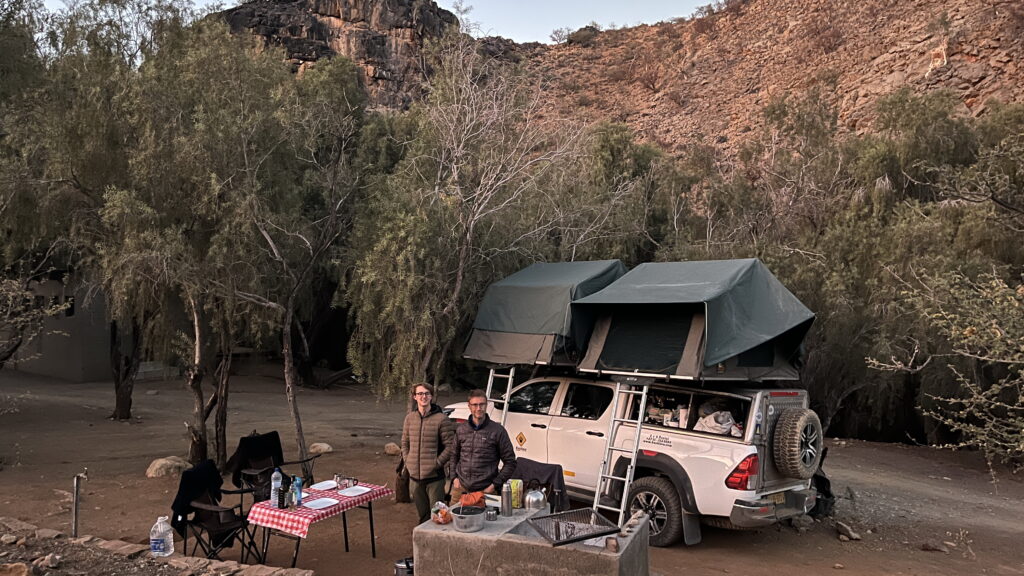
Road travel requires a 4×4 and a skilled driver — and often a local guide.
Safety Tips:
-
Travel during daylight.
-
Carry ID at all times.
-
Respect checkpoint procedures.
-
Avoid public political discussions.
Sample Itinerary — 12 Days of Discovery
Day 1–2: Juba — markets, White Nile boat ride, art galleries.
Day 3–4: Rumbek — school visit, community immersion.
Day 5: Bor — Nile journey, birdwatching.
Day 6–7: Nimule — wildlife safari, riverside camping.
Day 8–9: Boma–Badingilo — witness the migration.
Day 10: Kapoeta — cultural encounters with the Toposa.
Day 11: Wau — Keliko music and rituals.
Day 12: Return to Juba, farewell dinner.
The Eudaimonia of South Sudan
South Sudan is not for those seeking comfort. It is for those seeking truth — about the world, about humanity, and perhaps about themselves.
Here, between the flowing Nile and the thundering hooves of migrating antelope, you may find a happiness that is not fleeting, but rooted — a happiness that lingers, as real as the dust on your boots.