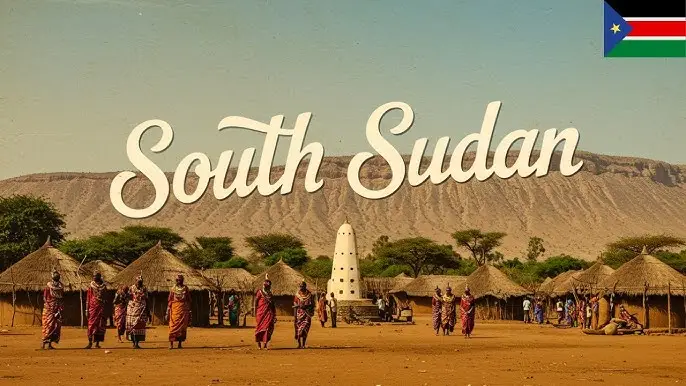
1. First Impressions — Before I Set Foot in South Sudan
Before I ever booked a ticket, South Sudan was a mystery to me.
The name evoked images I’d only ever seen in passing: news clips of UN trucks rumbling through dusty streets, headlines about peace deals that came and went, and satellite shots of the mighty Nile cutting through endless green wetlands.
I’d read some articles, watched a handful of videos, but nothing felt balanced. Either they painted South Sudan as an irredeemable war zone or romanticized it as some untouched Eden. I wanted the truth — or at least my version of it.
So, I went. Not as a tourist looking for luxury, but as a traveler who believes that some places demand we arrive with open eyes, not checklists.
2. Stepping Into the World’s Youngest Country
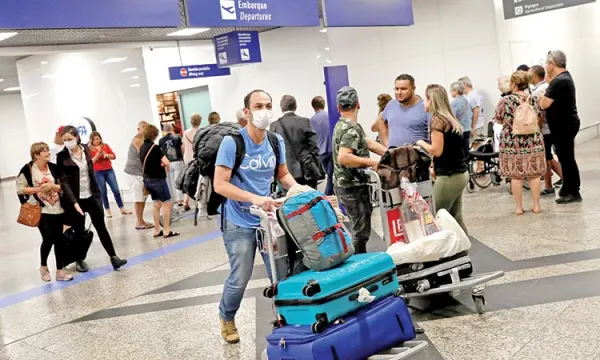
Landing in Juba feels like stepping into a place that’s still writing its first chapters. The airport is small, and the process is deliberate — visas checked, forms filled, bags searched by hand. Outside, the heat wraps around you instantly, heavy and unrelenting.
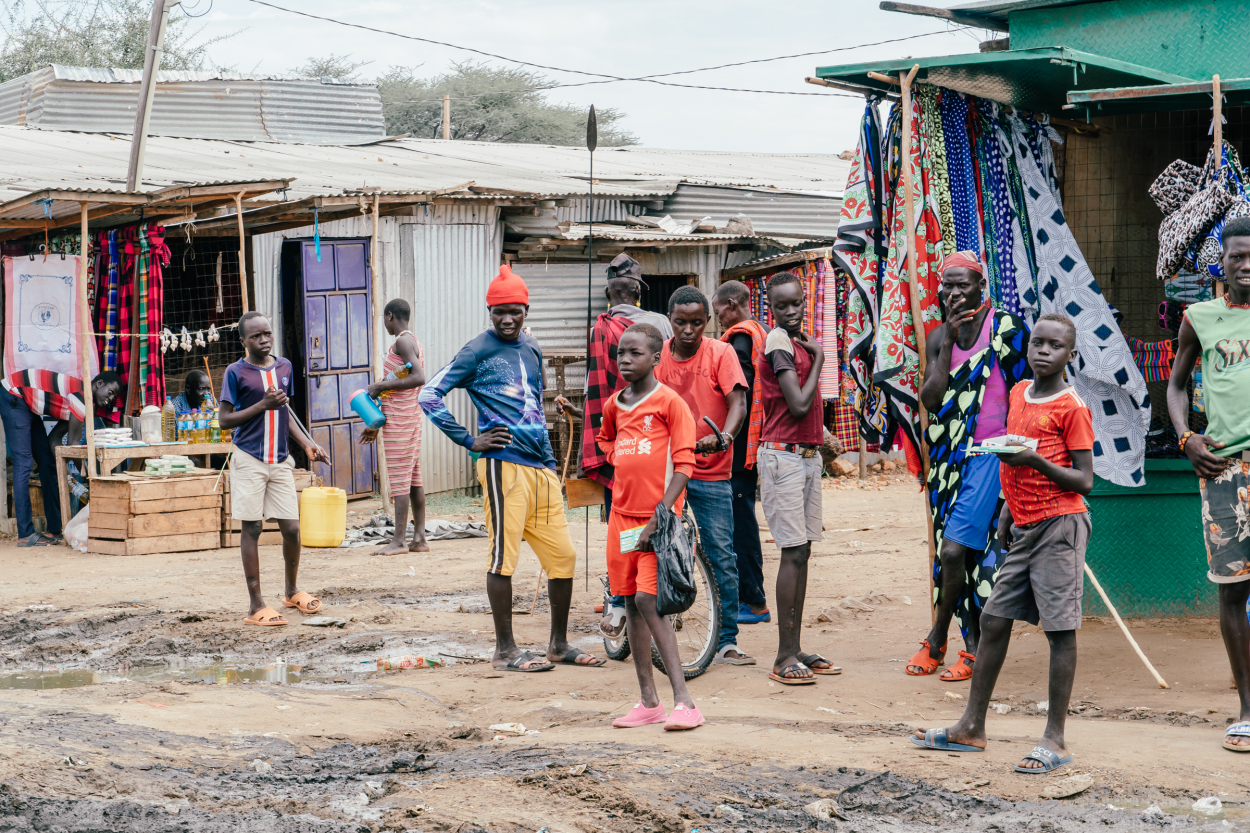
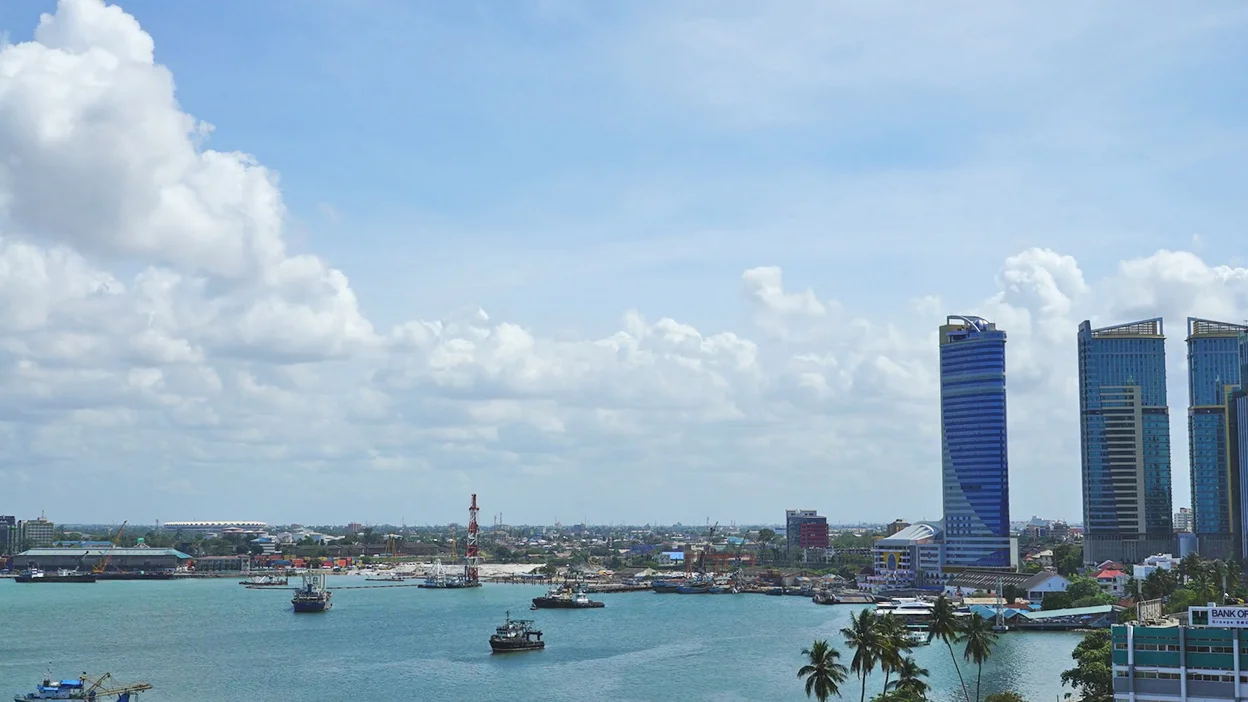
The drive into the city is a study in contrasts. On one side, glass-fronted buildings housing NGOs and aid agencies; on the other, dusty markets where women sell mangoes under makeshift tarps. The White Nile flows nearby, calm and unbothered, as though it has seen it all before.
I quickly learned that Juba isn’t a city you “see” — it’s a city you navigate. Streets are uneven, and traffic obeys more instinct than rules. But the people… they greet you with curious eyes and, often, an easy laugh once you show genuine interest in their stories.
3. A Nation Built on Struggle and Pride
South Sudan’s story is one of hard-won independence.
After decades of civil war with Sudan — a war rooted in cultural, ethnic, and religious differences — the people here voted overwhelmingly for separation in 2011. That day was filled with hope: oil revenues, self-rule, a fresh start.
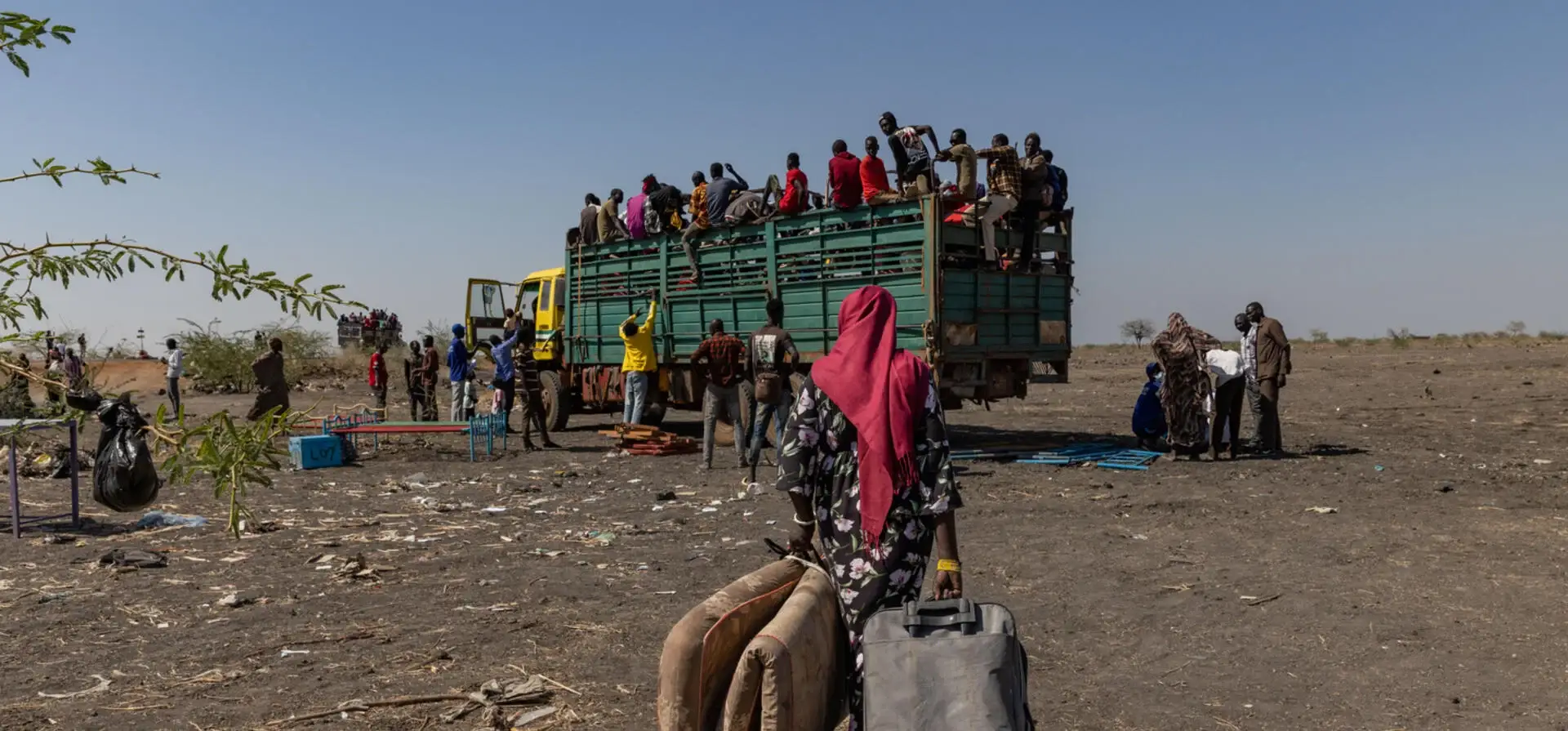
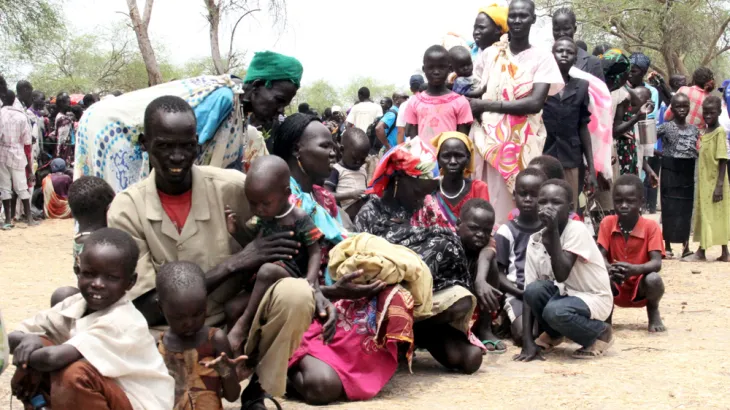
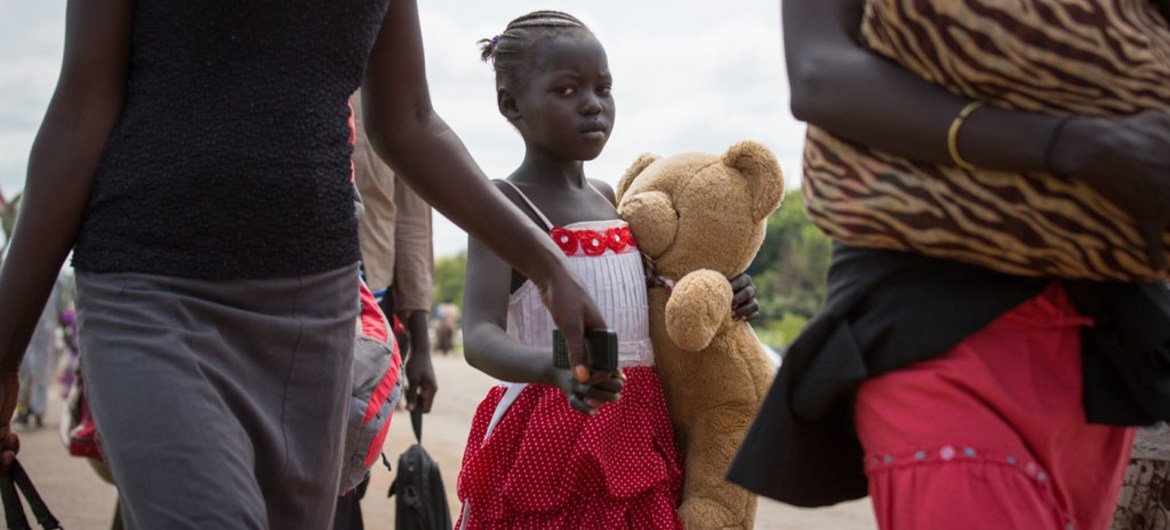
But reality is rarely as simple. Political rivalries soon flared into new conflicts. Floods and droughts disrupted crops. Neighboring Sudan’s war spilled over, bringing tens of thousands of refugees to camps in South Sudan’s north.
And yet, when you talk to South Sudanese people, there’s no mistaking the pride they have in being their nation. As one man told me in a market stall:
“There is no price to freedom. Even when we struggle, we know this is ours.”
4. Life Beyond the Headlines
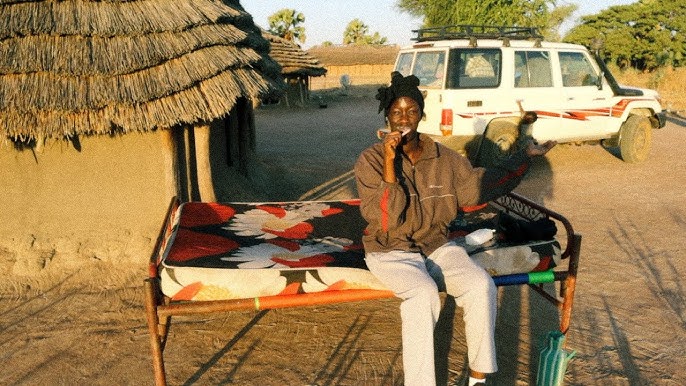
If you spend all your time in Juba, you might think South Sudan is a patchwork of NGO compounds and busy markets. But venture beyond — and you realize just how rural this country truly is.
Most roads are unpaved. In the rainy season, travel becomes nearly impossible in some regions. Villages are often self-contained worlds, with people farming just enough to feed their families.
The weather has grown unpredictable. Sometimes, there’s too much rain, flooding the fields; other times, months go by without a drop. When crops fail, hunger follows. And for many, there is no “backup” — no second income, no grocery store down the road.
One afternoon, I sat with a family in Central Equatoria state. They shared roasted maize with me, apologizing for the simplicity of the meal. But to me, it was priceless — not for the food itself, but for the generosity of people who had so little yet offered so much.
5. Cultural Threads — What Makes South Sudan, South Sudan
With more than 60 ethnic groups, South Sudan is one of Africa’s most culturally diverse countries. Each community has its language, music, and customs.
-
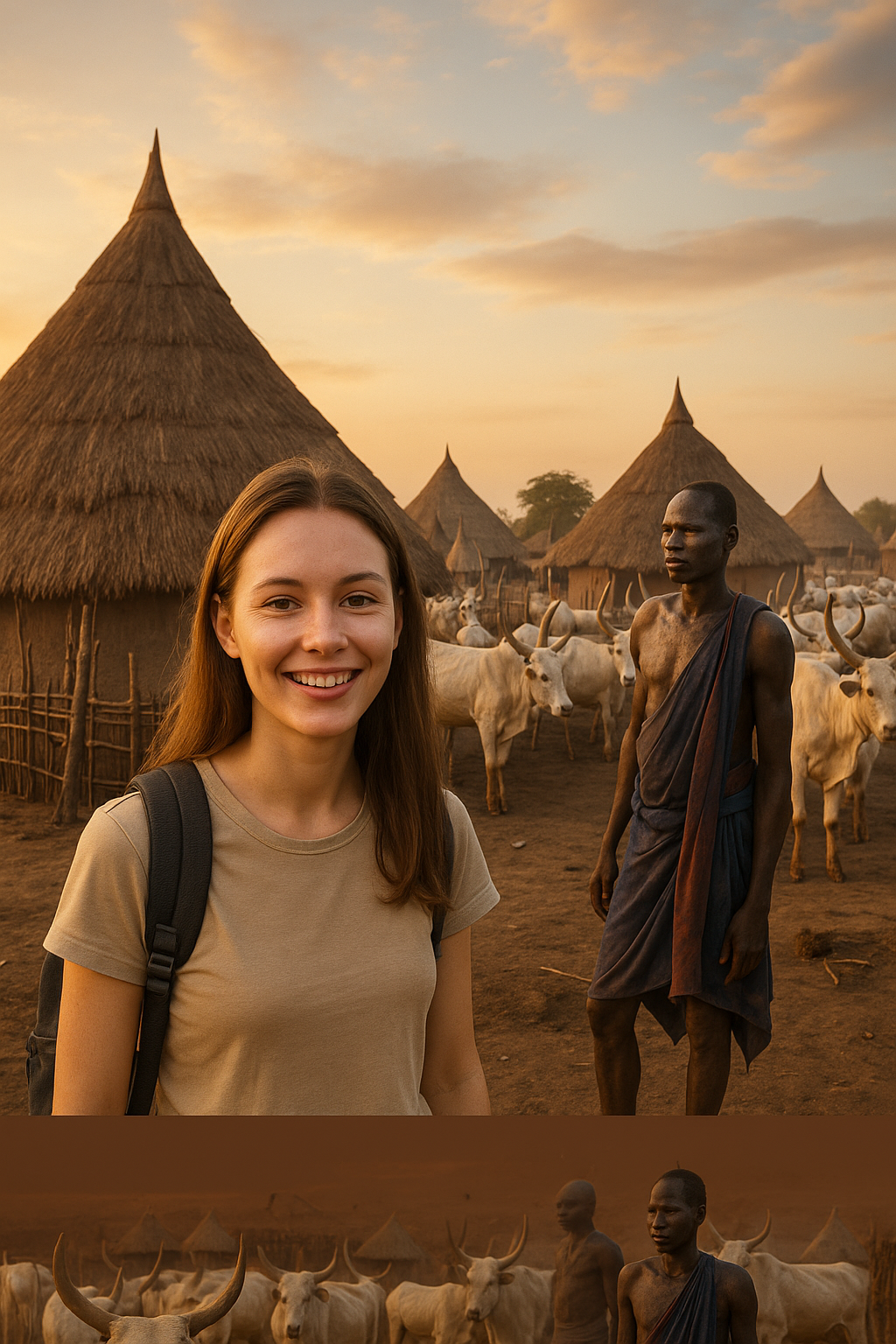
Cattle as Currency: In some communities, cattle aren’t just livestock — they’re wealth, dowry, and identity.
-
Dance and Music: Drumming and dancing mark everything from weddings to peace agreements. The rhythms are infectious; even I, the awkward foreigner, couldn’t resist joining in.
-
Family and Legacy: Large families are common, partly due to cultural traditions and partly because children are seen as a form of security in old age.
These traditions are beautiful but can also pose challenges in a changing world — especially for women, who often bear the weight of expectation without the same opportunities for education or independence.
6. Nature Untouched — The Wild Side of South Sudan
If there’s one thing South Sudan has in abundance, it’s untapped natural beauty.
-
The White Nile: Wide, slow, and commanding, it cuts through the country, offering moments of stillness in a place where life is anything but.
-
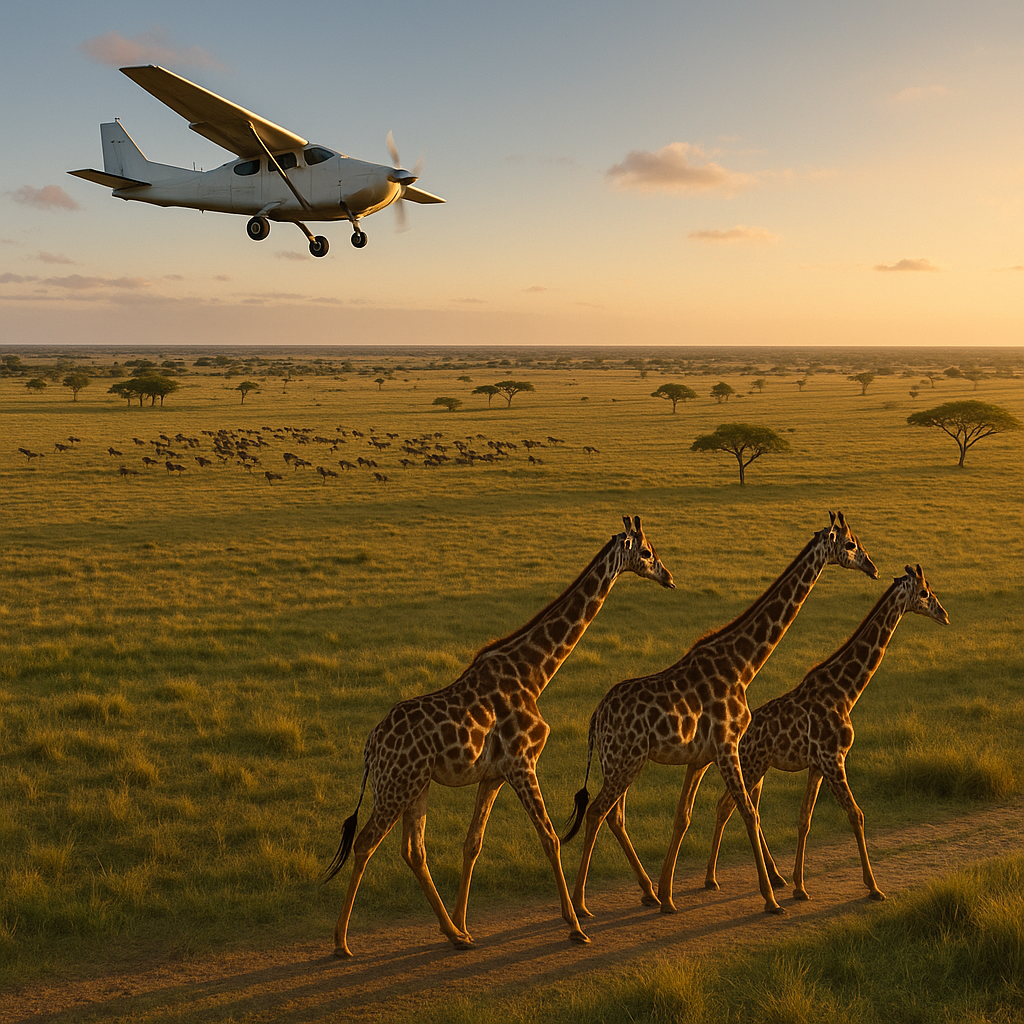
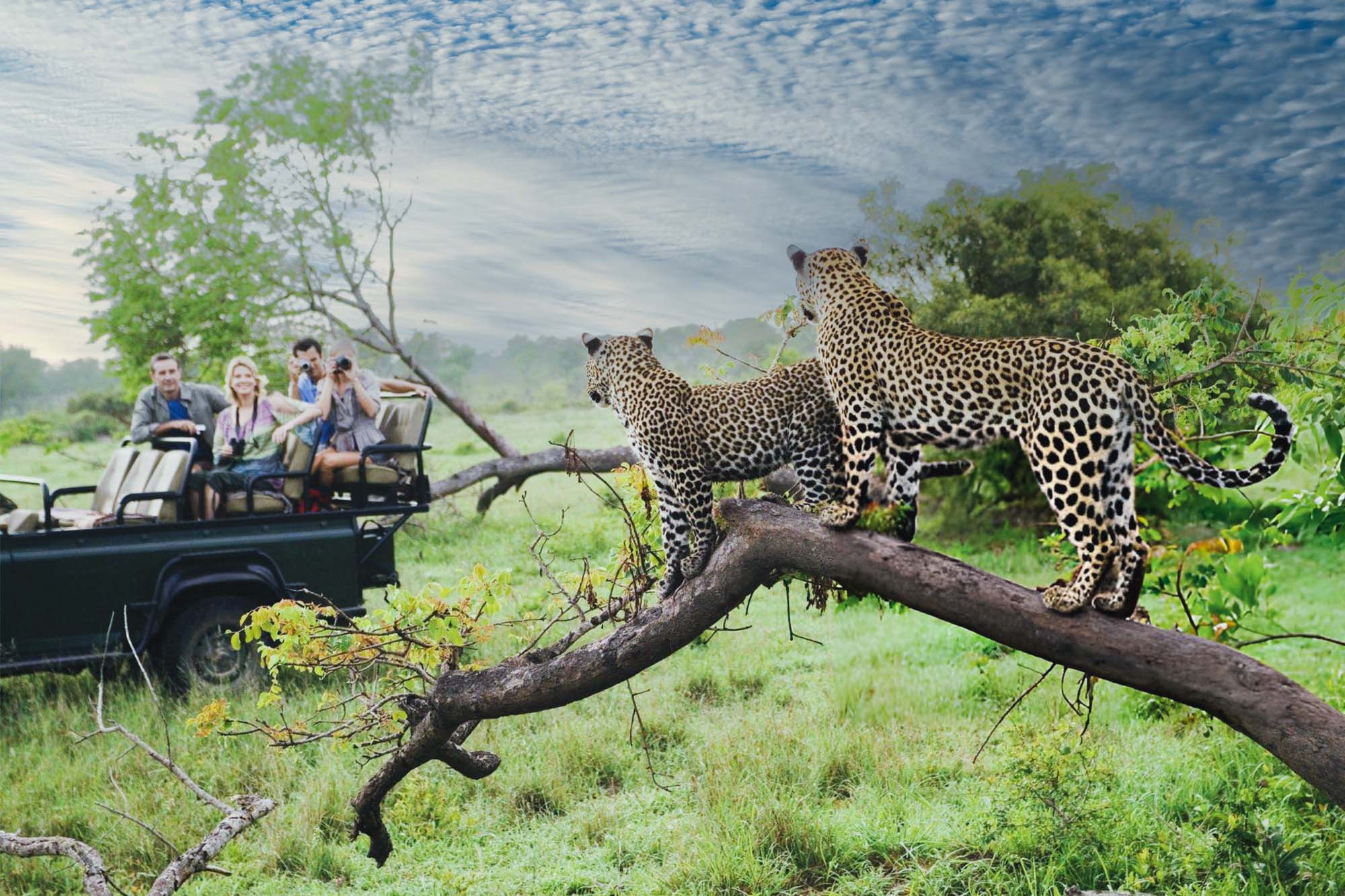
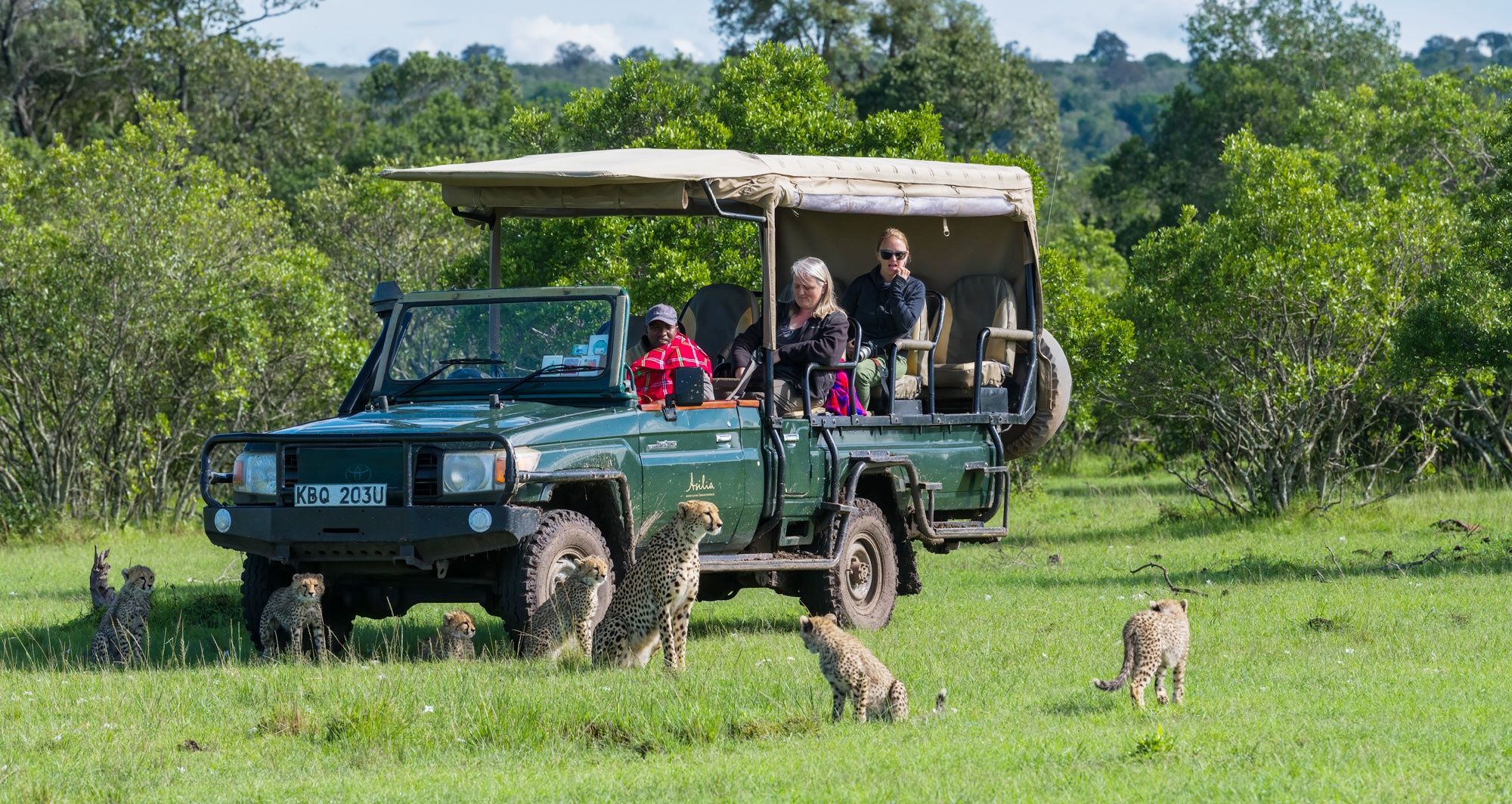
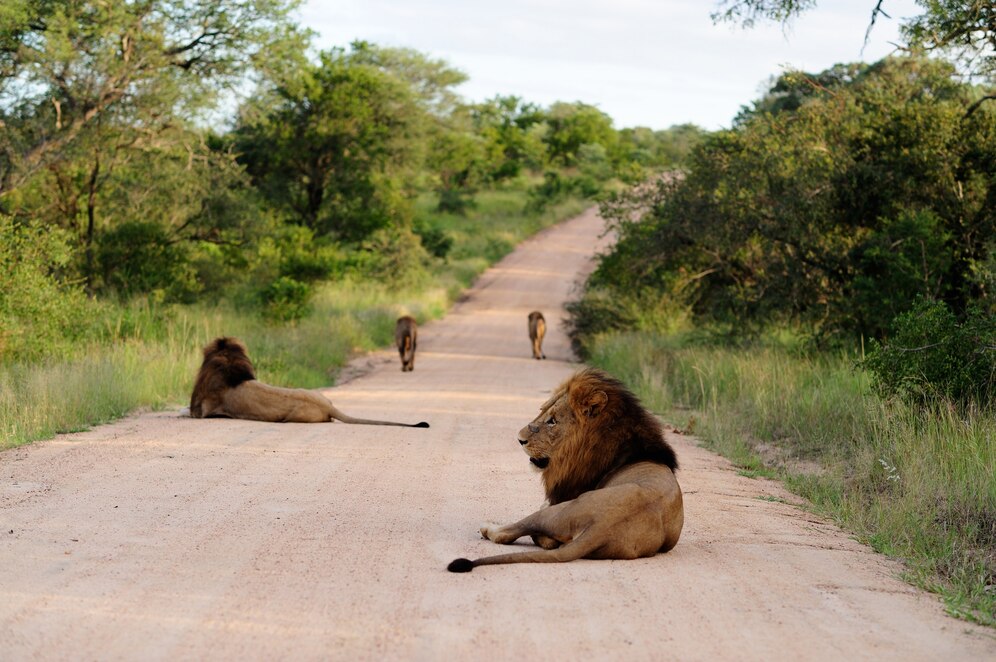
Boma National Park: Almost completely off the tourist map, yet it hosts one of the world’s largest wildlife migrations, with hundreds of thousands of antelope sweeping across the plains.
-
Sudd Wetlands: An ecological marvel — a tangle of swamps, channels, and islands, home to rare birds and fish.
Tourism here is still in its infancy, partly due to security concerns and limited infrastructure. But that also means what you see is raw and unfiltered — nature as it has been for centuries.
7. Travel Logistics — How to Navigate the Final Frontier
Visas & Entry: Apply at a South Sudanese embassy before arrival. Bring passport photos, a letter of invitation, and patience.
Flights: Juba International is the only major gateway. Ethiopian Airlines and Kenya Airways are the most reliable.
Safety: Always check updated travel advisories. Moving outside Juba often requires planning with trusted locals or organizations.
Health: Malaria is common; yellow fever vaccination is mandatory. Bring a medical kit — clinics are basic outside the capital.
Money: The South Sudanese pound is the local currency. ATMs are scarce; bring cash in USD for exchange.
8. Humanitarian Work — Travel with Purpose
Many who come to South Sudan aren’t here for leisure — they’re here to help. Aid workers face difficult conditions but also form deep bonds with local communities.
During my visit, I met an agricultural officer from Uganda helping farmers adapt to changing rainfall patterns. He said something that stuck with me:
“In South Sudan, you measure success in seasons, not in years. If you can help someone eat through the next harvest, you’ve done something good.”
If you’re considering visiting, partnering with a reputable NGO or volunteer program can provide not only safety but also a deeper understanding of the country.
9. Challenges and Opportunities
South Sudan is a paradox — a place overflowing with resources (oil, fertile land, wildlife) yet struggling with poverty, conflict, and climate change.
Opportunities for the future include:
-
Developing ecotourism in its national parks.
-
Expanding sustainable agriculture to reduce food insecurity.
-
Investing in education and health systems to break cycles of dependency.
-
Encouraging regional cooperation on water and trade.
The key will be leadership — both local and international — that puts people before politics.
10. My Final Reflections
Traveling to South Sudan isn’t easy, nor should it be taken lightly. This is not a place for casual sightseeing; it’s a place for immersion, listening, and learning.
You won’t find glossy brochures or guided tours to every corner. What you will find is humanity in its rawest form — laughter amid struggle, beauty where few outsiders look, and a resilience that humbles even the most seasoned traveler.
As I left Juba, flying over the White Nile one last time, I realized that “Africa’s final frontier” isn’t just a phrase. It’s a challenge — to see beyond the headlines, to connect with people whose stories rarely make it into travel blogs, and to remember that even the youngest countries have ancient souls.